Rooflights: Energy-Efficient Roof Window Options for Commercial Buildings
Skylight Installation: Step-by-Step Tips for Homeowners
Skylight installation is a practical way to enhance both natural light and ventilation in a home. Homeowners often underestimate the complexity of the process. Choosing the appropriate skylight style and taking accurate measurements are critical initial steps. Having the proper tools and materials on hand allows the installation to move forward without issue. However, common pitfalls may arise, leading to complications. Being aware of these factors can significantly impact the outcome of a successful installation. Continue reading to explore what this comprehensive guide covers next?
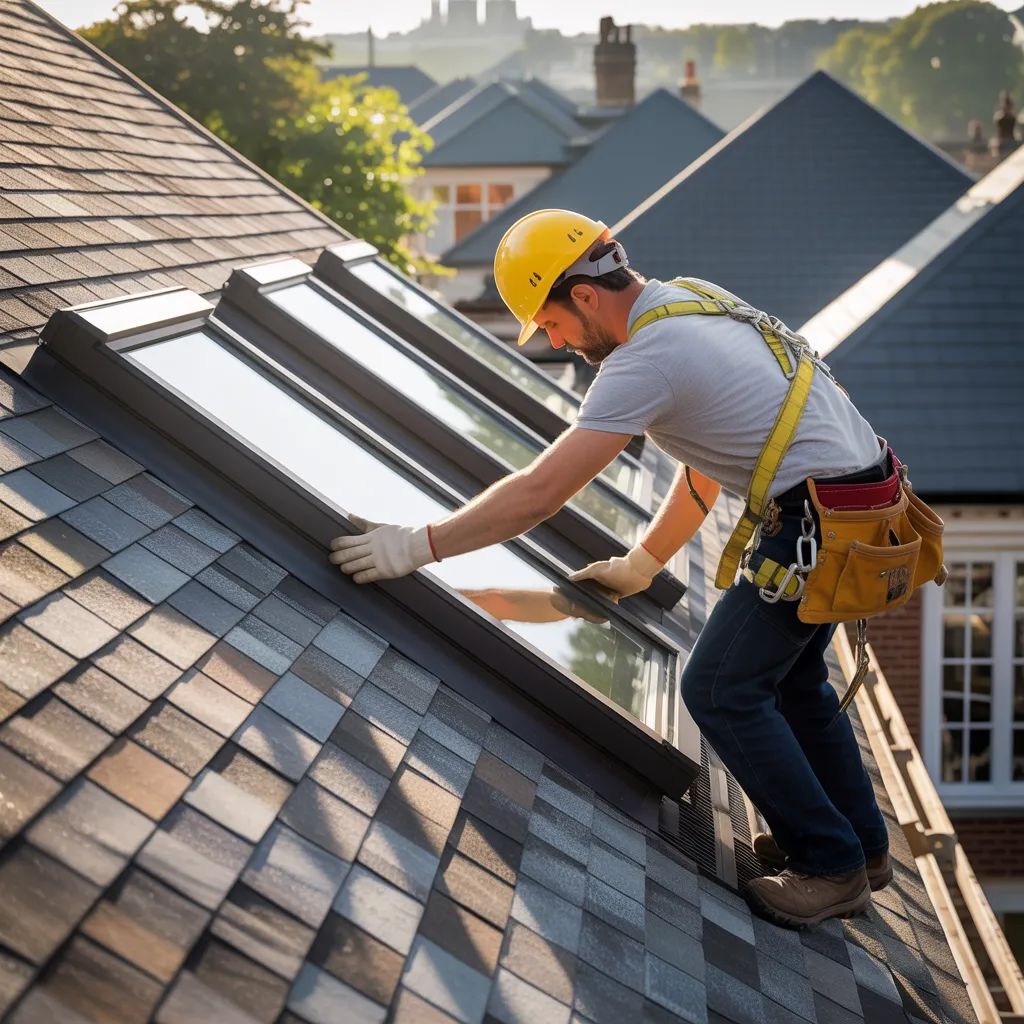
What You Need to Know About Skylights: Why They Make a Difference for Your Home
Skylights function as portals to the sky, flooding homes with natural light and enhancing overall ambiance. These design additions not only brighten interiors but also foster a sense of openness that elevates the overall design. By incorporating skylights, homeowners can reduce reliance on artificial lighting, resulting in potential energy savings. The presence of natural light can beneficially affect mood and well-being, making spaces feel more inviting and cheerful.
In addition, skylights can enhance airflow, letting warm air rise and exit while welcoming cooler air inside. This effortless ventilation promotes a more agreeable indoor climate, most notably during the summer months. Furthermore, deliberately installed skylights can draw attention to distinct features, such as artwork or architectural details, adding an aesthetic value to the home. All things considered, understanding the benefits of skylights helps homeowners appreciate their role in creating a harmonious living environment, merging practicality with elegance.
Selecting the Perfect Skylight for Your Home
Picking the best skylight for a property encompasses a number of important considerations. A review of skylight types, energy efficiency aspects, and visual design elements can guide homeowners form educated determinations. Each aspect plays a vital role in elevating both performance and aesthetic value.
Skylight Types Summary
When considering a skylight for a home, knowing the different options available is important for making an informed choice. Skylights commonly come in three categories: fixed, vented, and tubular. Fixed skylights are stationary and primarily serve to add natural light and visual appeal. Vented skylights can be operated to welcome fresh air and improve ventilation, making them well-suited for rooms like kitchens and bathrooms. Tubular skylights, commonly referred to as sun tunnels, are designed for smaller spaces and funnel sunlight along reflective tubes, delivering daylight where larger skylights would not be practical. Each type has unique advantages, and homeowners should evaluate their specific needs and the planned installation area to choose the most suitable option for their home.
Energy Efficiency Aspects
A careful assessment of energy performance is vital for homeowners looking into skylight installation. Picking the most suitable skylight involves recognizing factors such as glazing options, frame materials, and Energy Star ratings. Double or triple-pane units with low-emissivity coatings minimize heat transfer, enhancing insulation and reducing energy costs. Homeowners ought to also evaluate the positioning and direction of the skylight to maximize natural light while minimizing heat gain in warmer months. Venting skylights can boost airflow and lessen the need for air conditioning. Moreover, opting for energy-efficient models can help homeowners qualify for available rebates or incentives, additionally enhancing the long-term value of the installation. Overall, informed decisions regarding energy efficiency contribute greatly to the overall benefits of skylight installation.
Visual Design Elements
The visual impact of skylights can significantly improve a home's interior and exterior aesthetics. When selecting a skylight, homeowners should consider factors such as scale, configuration, and aesthetic to guarantee harmony with existing architectural elements. For instance, bigger skylights can generate a bold visual statement, while smaller options may complement cozy spaces. The glazing selection also plays a vital role; uncoated glass helps amplify daylight, whereas obscured or colored options provide seclusion. Additionally, frame materials, such as wood or metal, should align with the home's overall design scheme. Ultimately, the ideal skylight not only enhances a space's atmosphere but also adds to the property's exterior attractiveness, making informed choices essential for aesthetic coherence.
Essential Tools and Materials for Skylight Installation
Effective skylight installation necessitates a dedicated range of instruments and resources to guarantee a secure and efficient process. Vital tools include a tape measure to ensure exact sizing, a level to verify precise placement, and a utility knife for accurate trimming. A drill is essential for making guide holes, while a roofing hammer and nails anchor the skylight assembly. Safety gear, such as gloves and goggles, is equally important for guarding against possible dangers.
The materials required for installation include the skylight unit itself, flashing to prevent leaks, and sealant for waterproofing. In addition, a reliable ladder is necessary for safe access to the installation area. Based on the type of roofing material, shingles or underlayment might also be necessary. Gathering these tools and materials beforehand will streamline the installation process, helping to avoid delays and guaranteeing a successful outcome.
A Step-by-Step Guide for Skylight Installation
Begin by choosing the perfect position for the skylight, confirming it supports the structural integrity of the roof and enhances sunlight. Then, measure the measurements of the designated skylight and outline the perimeter on the roof. Methodically remove the roofing materials, making sure to work around any structural elements.
When the opening is complete, construct a frame around the skylight with 2x4s to provide stability and support. Place a flashing kit around the opening to avoid water infiltration, making sure it properly overlaps the roofing materials.
Install the skylight into the framed opening, fastening it following the manufacturer's instructions. Fill all gaps with appropriate caulk to enhance water resistance.
To complete the process, replace the roofing components surrounding the skylight, making sure it fits securely. On the inside, finalize the drywall and trim as required, finalizing the entire installation as natural light begins to flood the space.
Fixing Typical Skylight Installation Concerns
During skylight installation, several common issues can arise that could undermine the quality of the installation. Leaks during installation, improper sealing techniques, and incorrect flashing placement are frequent concerns that could cause major damage if not corrected in a timely manner. Understanding how to troubleshoot these issues is essential for a successful skylight installation.
Leaks During Installation
Managing leaks in the course of skylight installation is vital for ensuring a watertight seal and preventing future damage. Homeowners ought to begin by examining the flashing and underlayment for any gaps or misalignments that may result in water intrusion. Correct positioning of the skylight within the roof opening is essential; even a slight tilt can worsen leaks. During the installation process, the use of high-quality sealants and flashing materials is recommended to provide an extra layer of protection against moisture. Moreover, looking for any debris or obstructions that might restrict drainage around the skylight is highly recommended. Consistent assessments after installation can aid in uncovering potential concerns before they develop further, maintaining the long-term stability of the skylight and the surrounding roofing structure.
Inadequate Sealing Methods
Installation leaks often stem from inadequate sealing methods, making it essential to recognize frequent mistakes. One typical oversight is not applying enough sealant, which may result in openings that permit water infiltration. Homeowners must also ensure that the sealant is compatible with the skylight material as well as the roofing surface. Additionally, neglecting to smooth and evenly distribute the sealant may create vulnerable areas that weaken the overall installation. At times, selecting an inappropriate sealant, such as caulk instead of a flexible roofing sealant, could intensify the complications. By recognizing these issues, homeowners can adopt effective strategies to ensure a completely sealed installation, effectively increasing the longevity of the skylight and preventing costly repairs.
Improper Flashing Placement
Ensuring proper flashing positioning is critical for a proper skylight installation. Faulty flashing can lead to severe water infiltration and damage to the structure, compromising the entire installation project. It is important that the flashing fits correctly with the roofing material to form a watertight seal. It is advisable for homeowners to confirm that the flashing is installed according to the manufacturer's instructions and that it merges properly with existing roof features. Common mistakes include misalignment, poor sealing at connection points, and neglecting to use suitable materials. Periodic examinations following installation can assist in detecting potential issues at an early stage. Addressing these flashing concerns promptly can protect homeowners against expensive fixes and guarantee the durability of their skylight. Careful consideration of flashing will contribute to a durable and efficient skylight installation.
Skylight Upkeep Tips for Extended Durability
Proper maintenance is essential for maximizing the lifespan of a skylight. Homeowners are advised to routinely examine the skylight for indicators of deterioration, including cracks or discoloration in the glass. Maintaining a cleaning schedule of at least twice per year for the skylight helps eliminate debris build-up that may diminish light and reduce visual appeal. A gentle soap solution and a soft cloth are adequate for this task.
Checking the flashing and weatherproofing is essential to stop leaks from occurring. Property owners should ensure that these areas are intact and free from debris. If any issues are detected, addressing repairs quickly can avoid costly water damage.
In addition, trimming protruding tree branches can limit debris from collecting and reduce the chance of damage during storms. Lastly, schedule thorough professional evaluations every several years to verify that the skylight remains in excellent condition. By applying these recommendations, property owners can benefit from their skylight installations for many years.

Common Questions and Answers
Is It Possible to Install a Skylight Myself, or Should I Seek a Professional?
Determining whether to install a skylight personally or hire a professional depends on the individual's skill level and experience. When in doubt, seeking advice from a professional can ensure correct installation and prevent possible structural complications.
When Is the Ideal Time of Year for Skylight Installation?
The ideal time for skylight installation is during spring or early fall. Both seasons generally provide mild weather, minimizing the chances of rain or snow, and providing ideal working conditions and reliable sealing of the skylight.
How Much Does Skylight Installation Typically Cost?
Skylight installation typically costs between $1,000 and $3,000, influenced by factors like size, material, and installation complexity. Homeowners should consider additional expenses for permits and necessary roofing repairs when budgeting for the project.
Does Installing a Skylight Influence My Home's Energy Efficiency?
The installation of a skylight can enhance a home's overall energy performance by permitting natural light to decrease the need for artificial lighting. further information Nevertheless, poor installation or inadequate insulation may result in greater heat loss or gain, affecting overall efficiency.
What Permits Are Needed for Skylight Installation?
Local building permits are commonly needed for the installation of skylights. Property owners need to verify with their municipality to determine the applicable regulations, including zoning laws and structural assessments, ensuring compliance with safety and energy efficiency standards.